Fun Ways to Master Programming Without Leaving Your Comfort Zone.

Learning to code does not have to mean sitting in a stiff classroom or commuting to a tech hub every day. Many people find that the best way to build skills is right where they feel most at ease, surrounded by familiar comforts that help the mind stay sharp and motivated.
Start with short daily challenges on your couch
Grab your laptop, settle into the sofa, and try bite sized puzzles that focus on one concept at a time. These quick sessions fit easily between meals or while watching a favorite show in the background. Over a few weeks the small wins add up without any pressure to finish long modules in one sitting.

Turn your kitchen table into a mini studio
Spread out a notebook, some sticky notes, and your headphones. Use the table as a workspace for sketching out simple scripts or debugging small projects. The change of scenery from your desk keeps things fresh while you stay within your own four walls.
Listen to podcasts during breaks
Instead of formal lectures, play audio stories about developers who started from their bedrooms. Hearing real experiences makes the process feel less like study and more like friendly conversation.
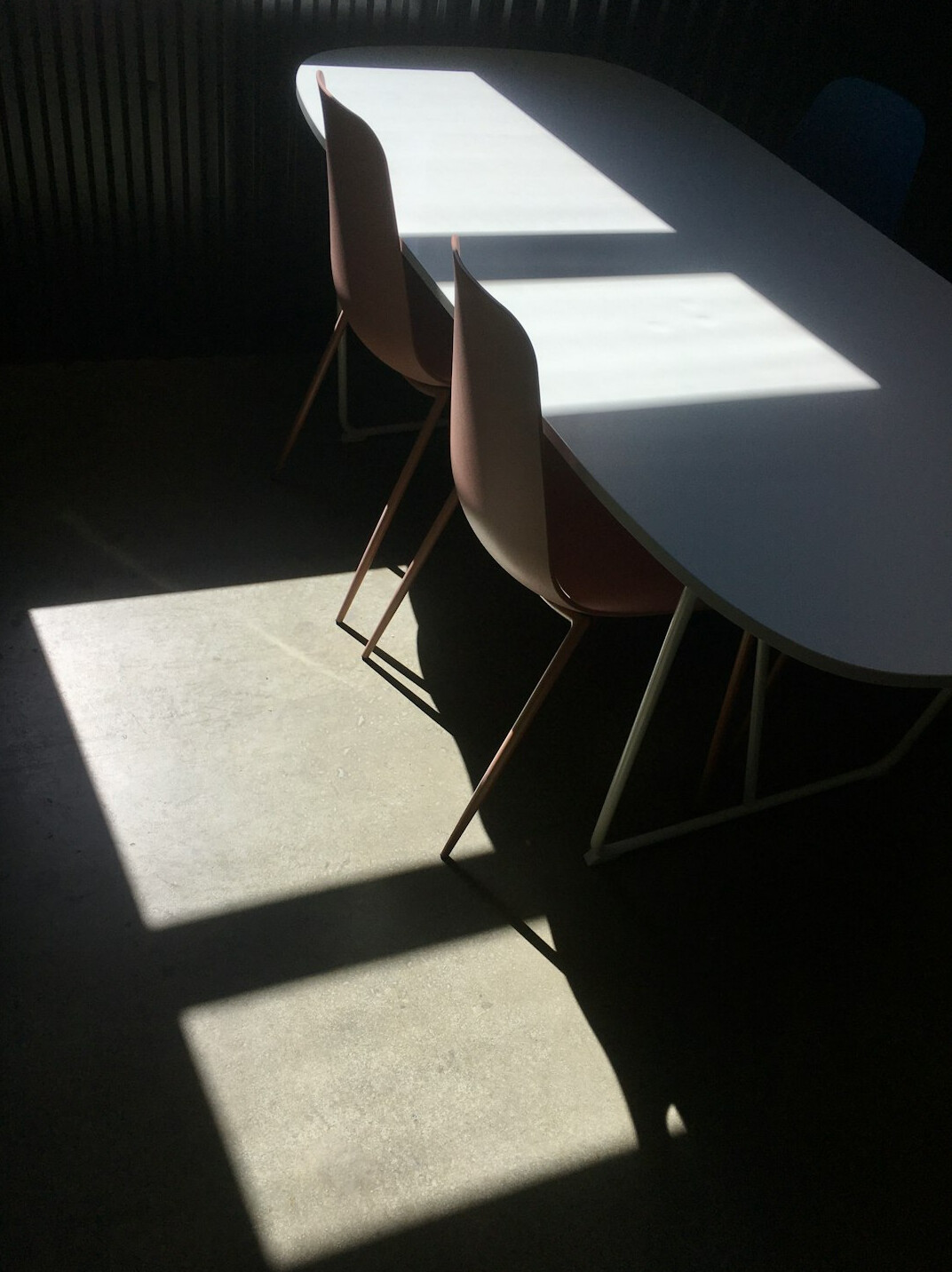
Join virtual game nights that teach logic
Many online communities host casual coding games where players solve puzzles together in real time. You can participate from your favorite armchair without needing to dress up or travel. The playful format helps concepts stick while you chat with others who share the same relaxed vibe.
Build tiny projects that match your hobbies
If you enjoy cooking, create a simple recipe tracker. If music is your thing, experiment with a basic sound player. These personal touches make practice feel like play rather than work.
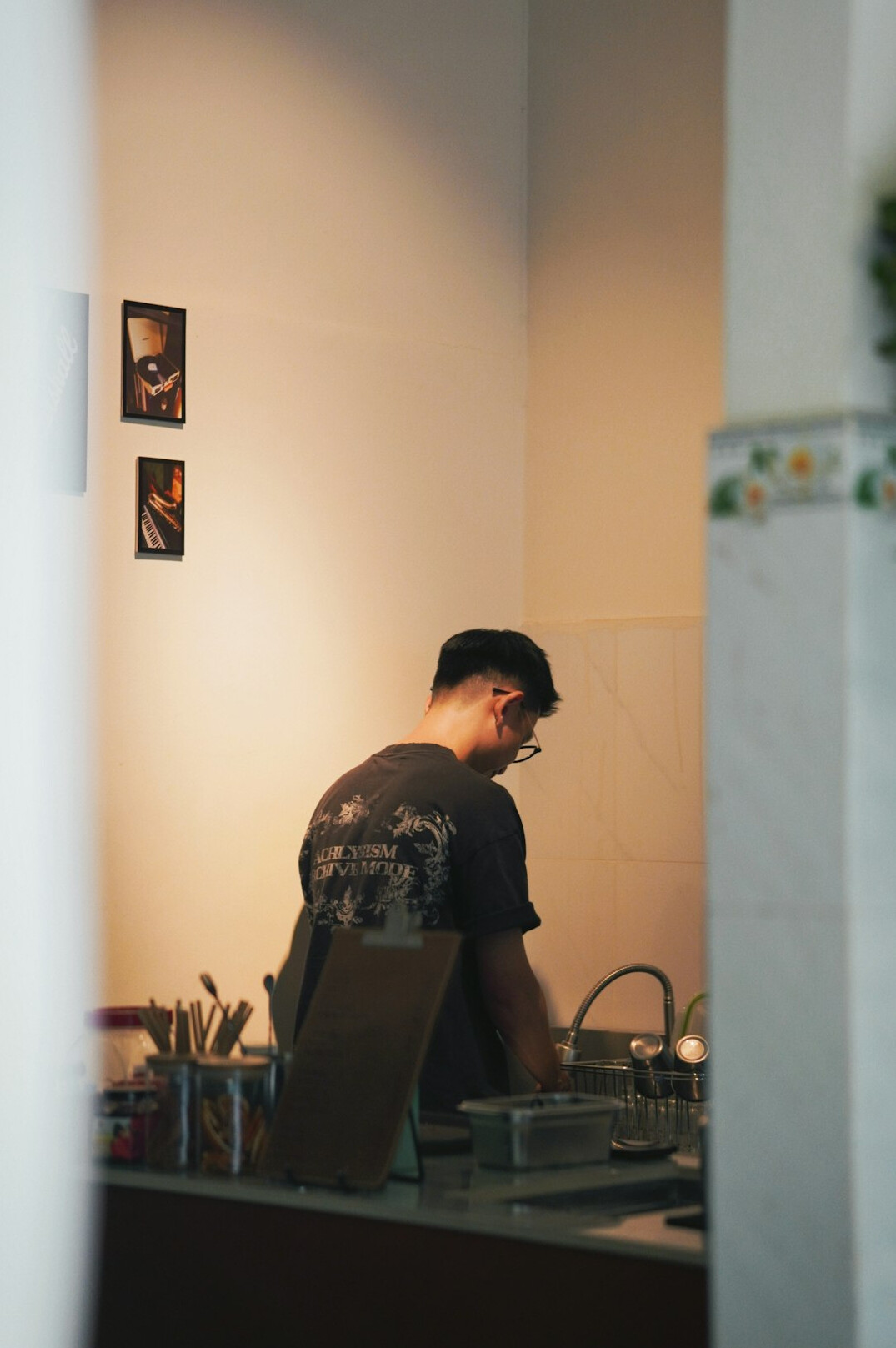
Review progress with a cup of tea
At the end of each week, look back at what you tried and celebrate the parts that clicked. Keeping a light journal helps track growth without turning it into a chore. This gentle routine supports steady improvement while you remain in your comfort zone.
Staying comfortable does not mean staying still. Small consistent steps inside your own space can lead to real mastery over time.